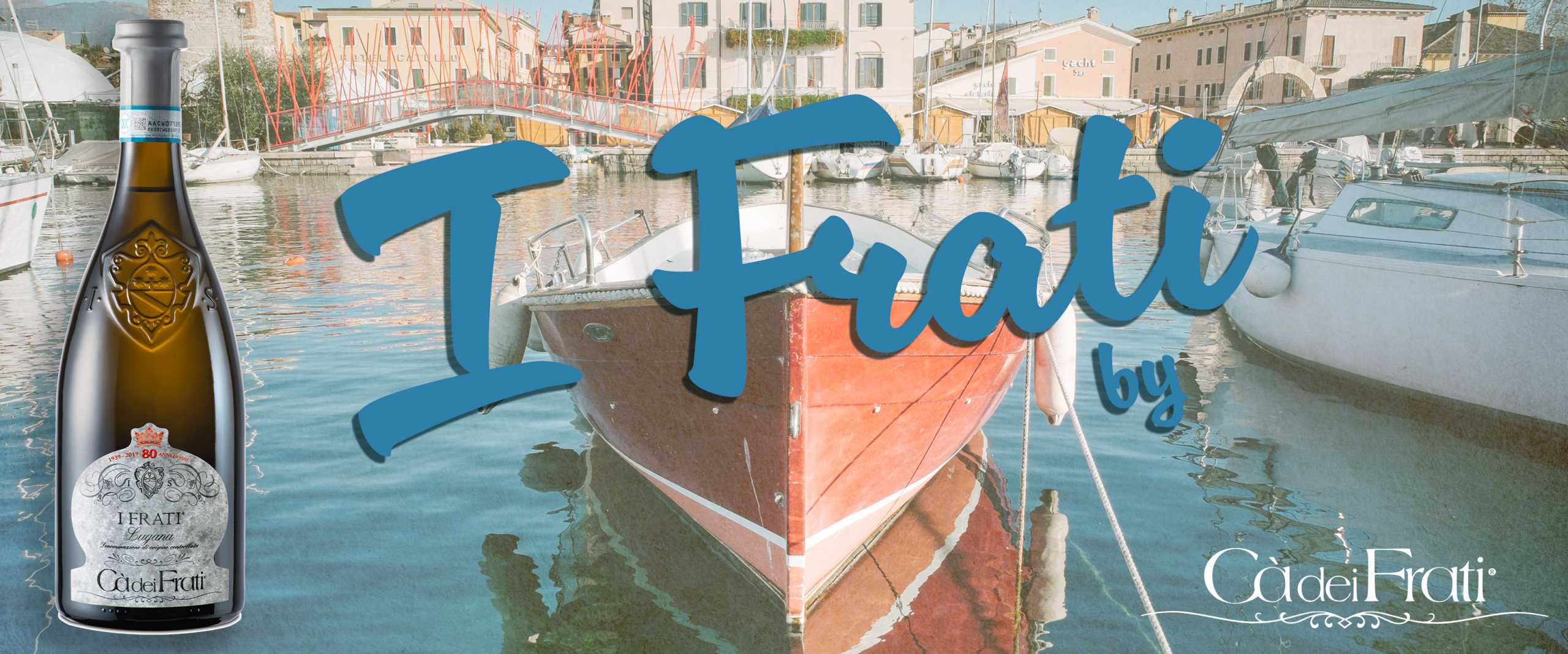
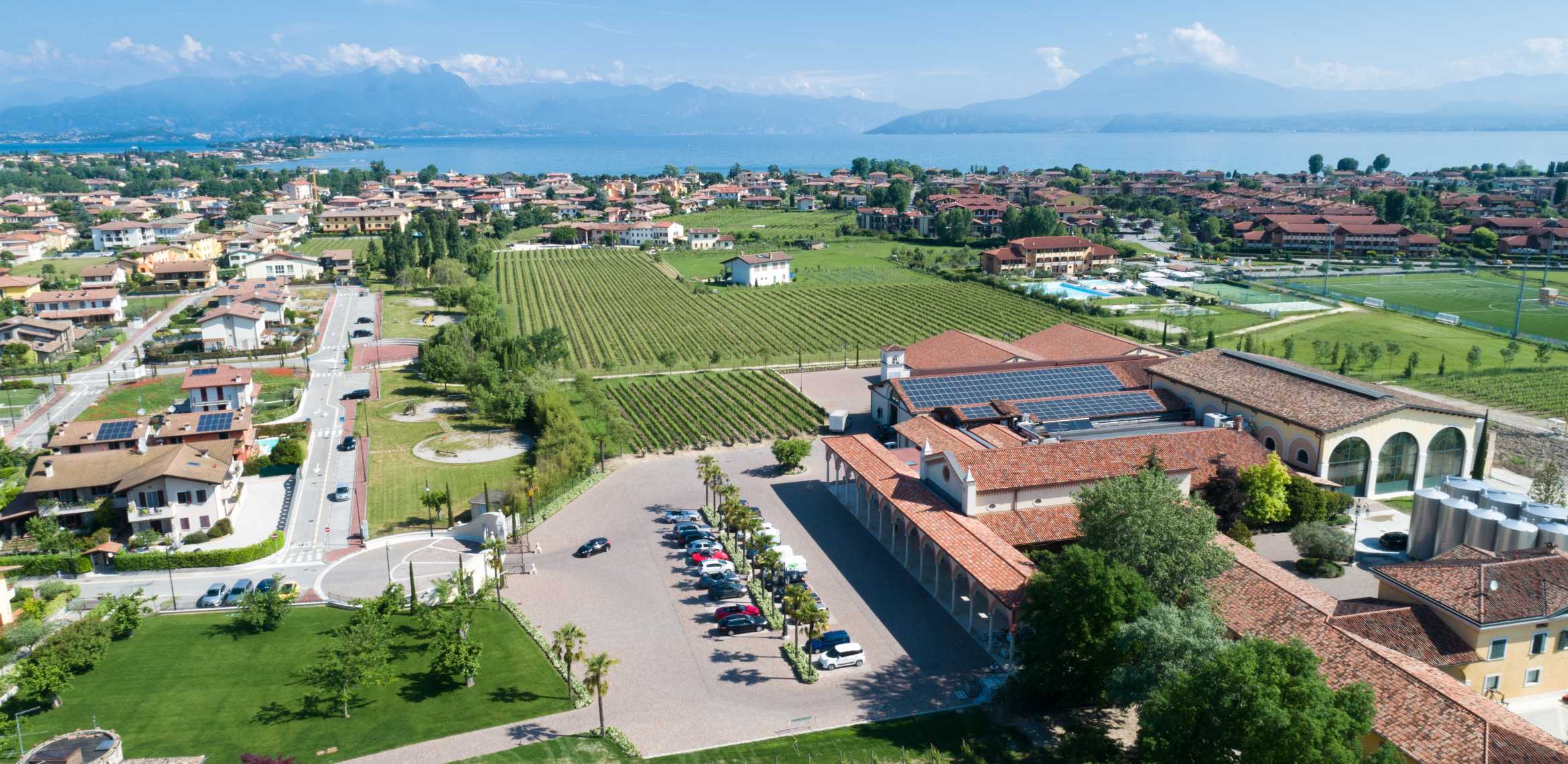
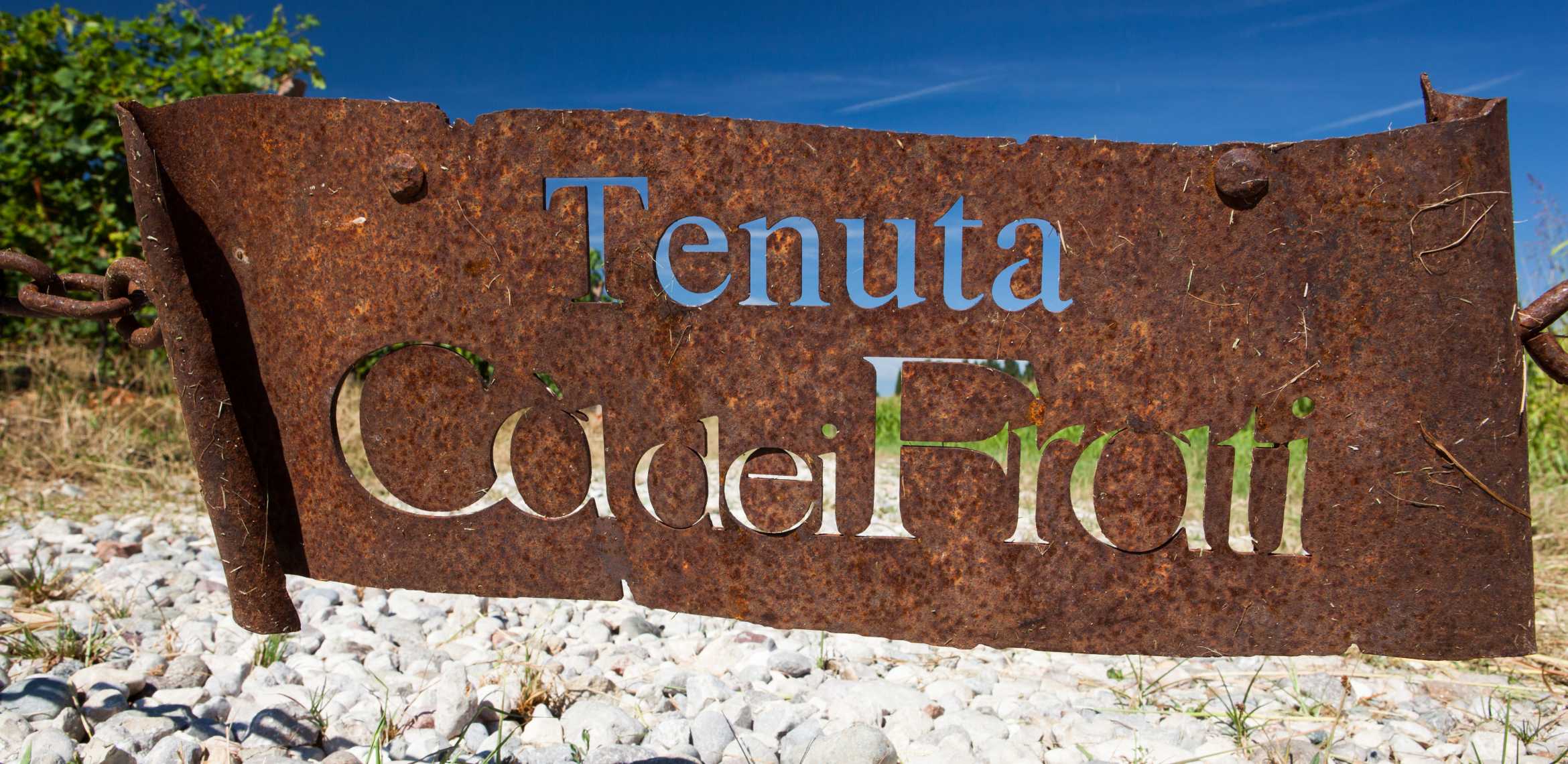
Ca’ dei Frati was founded in 1939 when patriarch Felice Dal Cero settled in Sirmione (Brescia province) on the Lombardy region side of the Lugana appellation. It’s called Ca’ dei Frati or “friar house,” because it was once owned by monks who grew grapes there.
Soil types play a fundamental role in crafting Ca’ dei Frati’s fresh, minerality-driven wines. Lake Garda was created during the Eocene era, some 35 million years ago, by a melting glacier. As the melting ice flowed south from what we now call the Italian Alps, it also brought with its glacial detritus.
Today, these rocky and pebbly “morainic” soils are ideal for the production of fine wine. Because the roots of the vines have to work harder to find the water table in the well-drained soils, their fruit production becomes more vigorous. As a result, the grape berries are richer in aroma and flavor, with more complexity and depth.
Today the winery manages 200 hectares planted to vine, accounting for 10 percent of the Lugana DOC. The winery also produces still and sparkling rosé wines, blended white wines (using Chardonnay and Sauvignon Blanc), and Amarone from Valpolicella, the most recent addition to the lineup.
Grapes Variety
100% Turbiana
Tasting
When young, it is fresh, linear and furnished with great sophistication and elegance with delicate hints of white balsamic, flowers, traces of apricot and almond.
Did You Know?
Ca’ dei Frati has been family-owned and run for three generations. It all began when patriarch Felice Dal Cero saved enough money to buy a small farm in the 1930s. Over the years, the family repeatedly invested in new vineyards. Today, all their wines are made from estate-grown fruit.
What a pleasant surprise. Like champagne without the bubbles. Pears on the finish. Delicious. A bit like the vouvray I tried recently
This is great lugana, with fruity aroma and notes of peach and other stone fruit. Really refreshing white wine pairing with an Italian fish dish.